July 17, 2026
Sub-surface care in the field of arboriculture is a foundational aspect of comprehensive tree maintenance, long-term structural safety, and environmental stewardship. This proactive approach involves managing the unseen biological indicators below the ground level, which are completely crucial for the healthy growth, physical stability, and overall sustainability of trees. With global climate change and rapid urbanization increasing daily physiological stress on natural landscapes, professionals face far more complex challenges today than ever before. Modern arborists must successfully navigate these environmental complexities to ensure the deep vitality of our shared urban ecosystems and guarantee the structural beauty of residential landscapes remains fully intact. This comprehensive article delves deep into the structural nuances of subsurface care, emphasizing its absolutely critical role in modern tree care practices. Today, true industry experts recognize that a tree's true health is determined underground. By dedicating resources to the care and preservation of the root zone, property owners can protect their valuable landscape investments.
Understanding Sub-Surface Care and Modern Tools
Sub-surface care refers explicitly to all diagnostic and physical activities focused on the health and structural maintenance of soil and root systems under the earth's surface. This practice encompasses detailed soil testing, compaction alleviation, root nutrition networks, and localized pest management. The primary goal is to create a vibrant subterranean environment where deep root systems can thrive, unencumbered by hidden physical threats such as poor soil quality or aggressive macronutrient deficiencies. Historically, tree care providers focused almost exclusively on highly visible aspects above the ground line, with subsurface root maintenance gaining widespread professional attention only over the last few generations.
Early industrial approaches routinely overlooked the profound importance of root and soil conditions in maintaining overarching canopy health, leading to widespread misconceptions and inefficient reactive trimming practices. However, major advances in scientific understanding have permanently shifted this narrow perspective, emphasizing that true care must extend beneath the grass. Today, advanced arborists combine legacy knowledge with high-tech diagnostic equipment to optimize root ecosystems.
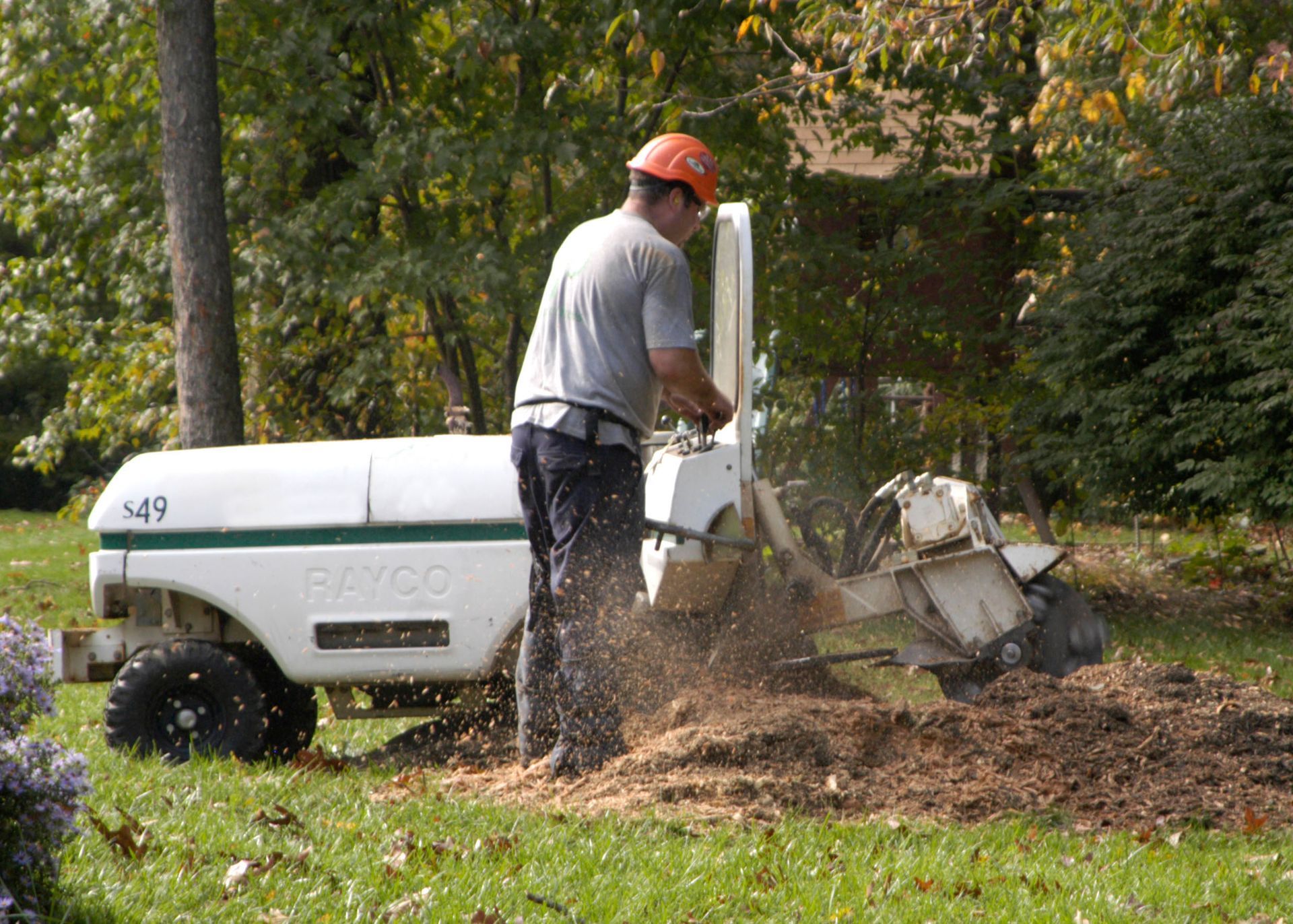
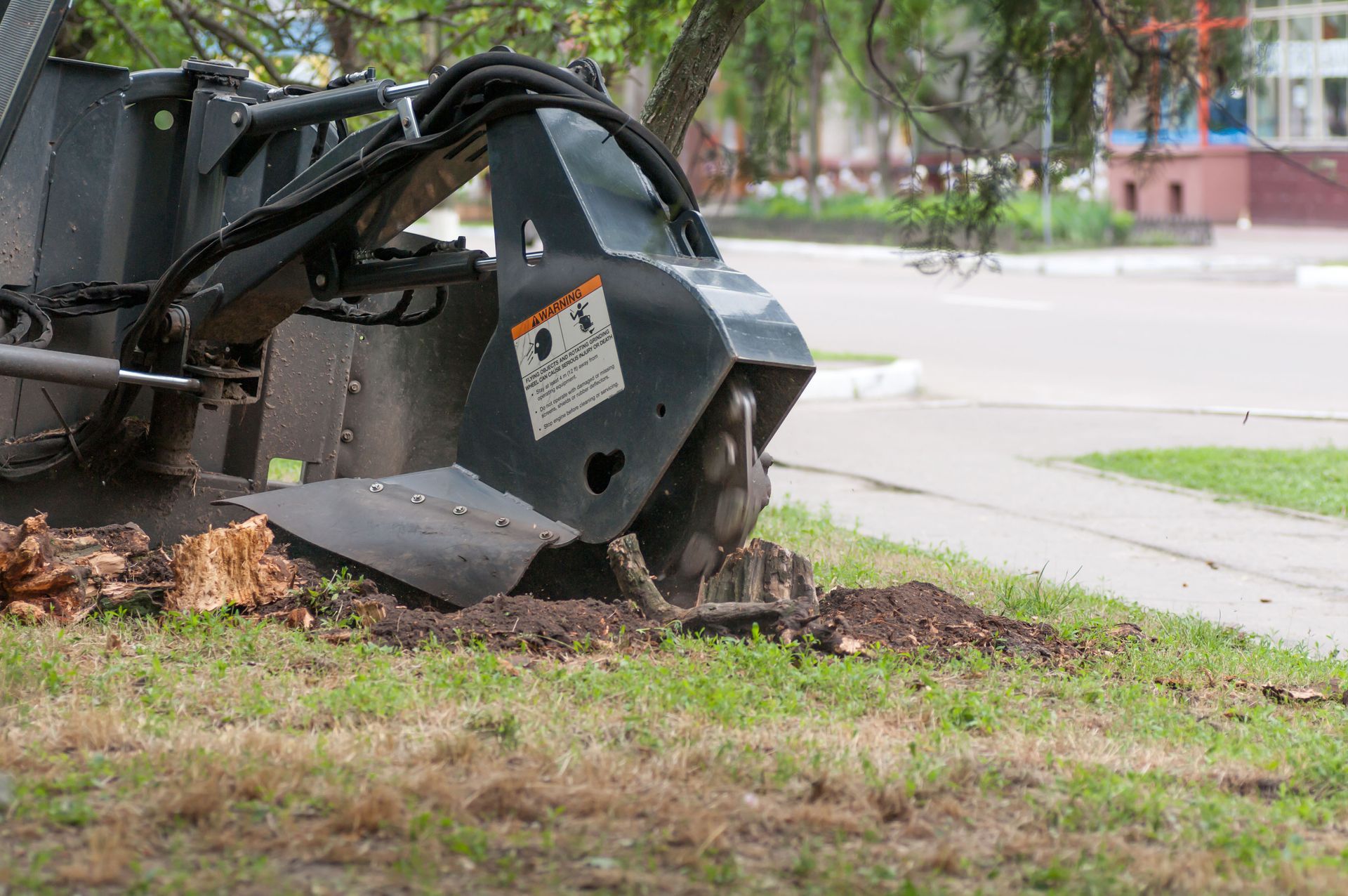
According to Business Research Insights, over 65% of professional arborists utilize mechanical stump grinders to remove tree stumps with diameters exceeding 30 cm. This specific sub-surface extraction eliminates subterranean decay vectors, prevents fungal root rots from spreading to adjacent healthy timber, and clears vital underground space for new root development to expand freely. Beyond stump grinding, modern diagnostic toolkits include ground-penetrating radar. These innovative systems allow technicians to expose delicate root structures safely without causing mechanical wounds, providing a transparent view of root layouts that was previously impossible.
Soil Health: The Foundation of Sub-Surface Care
Healthy soil is the absolute foundation of effective tree care, characterized by a complex, dynamic amalgamation of organic matter, mineral complexes, and living micro-organisms. Critical components include essential macro and micronutrients, stable pH balances, and an open soil structure that promotes natural porosity and active microbial life. The presence of sufficient organic matter dramatically enhances natural water retention capacities and deep nutrient availability, directly bolstering root development.
To manage this foundational layer properly, regular soil testing and lab analysis are non-negotiable diagnostic steps. These proactive assessments provide arborists with vital, data-driven information regarding underground chemical composition, identifying hidden nutrient deficiencies or dangerous toxicities before visual symptoms ever appear in the upper leaf canopy. Armed with lab data, specialists can design customized fertilization strategies to amend regional soil deficiencies safely.
For instance, in areas suffering from severe soil compaction caused by heavy construction equipment or foot traffic, mechanical interventions such as air-spade aeration are deployed to restore natural soil porosity. Alleviating soil density allows essential oxygen and water molecules to penetrate deep into the root zone, maximizing nutrient uptake and preventing root suffocation. This deep focus on soil architecture ensures that the underground biome remains highly conducive to long-term vitality, giving trees the structural foundation they need to survive seasonal weather extremes.
Water Management Strategies for Tree Health From Arborists
Water is a vital factor in structural tree growth, directly influencing primary physiological processes such as photosynthesis, cellular turgor pressure, and internal nutrient transport. Adequate water availability supports rapid root expansion and ensures the continuous delivery of dissolved minerals to the highest branches. However, managing this resource requires a delicate balance; while drought conditions cause severe moisture stress, chronic overwatering creates anaerobic soil conditions that lead to devastating root rot.
To achieve optimal fluid dynamics beneath the surface, certified tree care experts deploy various advanced irrigation techniques tailored to specific property layouts. Deep-root watering systems bypass shallow surface evaporation completely, delivering moisture directly into the lower root zones where it is needed most. Additionally, modern drainage solutions such as engineered swales or subterranean French drains are integrated around low-lying urban trees to facilitate rapid water movement away from sensitive root collars during heavy storm events.
By pairing these physical drainage pathways with modern digital tools like electronic soil moisture sensors, property managers can monitor sub-surface hydration levels in real time, shifting their water management strategy from a guessing game into an exact science. This precise management thwarts water waste and strengthens systemic tree resilience during prolonged periods of summer drought.
The Influence of Sub-Surface Pests and Diseases
Sub-surface biological threats pose an immediate, profound risk to tree structural integrity by silently destroying root networks beneath the soil. Common subterranean foes include root-feeding nematodes, wood-boring beetle larvae, and aggressive soil-borne fungal pathogens such as Phytophthora root rot. Because the physical damage occurs entirely out of sight, these infestations frequently go unnoticed until the tree exhibits severe canopy decline or suffers an unexpected structural collapse during high-wind events.
To counter these hidden biological hazards, modern tree care professionals utilize a highly disciplined framework known as Integrated Pest Management (IPM). This comprehensive strategy combines regular root-crown monitoring, advanced biological control methods, and targeted, eco-friendly soil injections to manage volatile pest populations effectively. Instead of relying blindly on harsh chemical applications that can contaminate surrounding groundwater tables, specialized arborists prioritize natural pest suppression methods.
This includes introducing beneficial predatory nematodes to consume destructive larvae or applying organic mycorrhizal fungi inoculants to naturally boost a tree's systemic immune defenses. By actively fostering a balanced soil microbiome, professionals can successfully eradicate sub-surface diseases while preserving the broader ecological health of the local landscape. Routine microbiological auditing allows teams to track pest thresholds accurately, ensuring interventions are executed with precision timing to maximize structural protection.
Sub-surface care remains an absolutely indispensable component of modern arboriculture, carrying profound impacts for long-term tree health, structural public safety, and broader environmental conservation efforts. For too long, traditional landscape maintenance has stopped at the soil line, treating trees as isolated, above-ground fixtures rather than complex biological networks tied directly to the earth. As advanced technology continues to evolve, tree care professionals are increasingly equipped with innovative diagnostic tools—from ground-penetrating radar to IoT soil chemistry sensors—that enhance their ability to monitor, protect, and nurture these delicate, hidden below-ground ecosystems.
This holistic approach ensures that mature trees remain vibrant, structurally sound contributors to both urban and rural communities, supporting local biodiversity, capturing carbon, reducing stormwater runoff, and dramatically improving regional environmental quality. Ultimately, a tree is only as stable as its roots, and ignoring the soil biome invites structural instability and hidden decay. Shifting completely away from a reactive, above-ground pruning mindset and genuinely embracing proactive sub-surface management is the true key to future-proofing our green infrastructure against escalating climate stress, urban expansion, and prolonged droughts.
When you are ready to secure your property's valuable landscape assets with expert root diagnostic care, precision soil remediation, and advanced health treatments, partner with the certified arborists at Clean Sweep Tree Service to protect your beautiful trees from the ground up today.